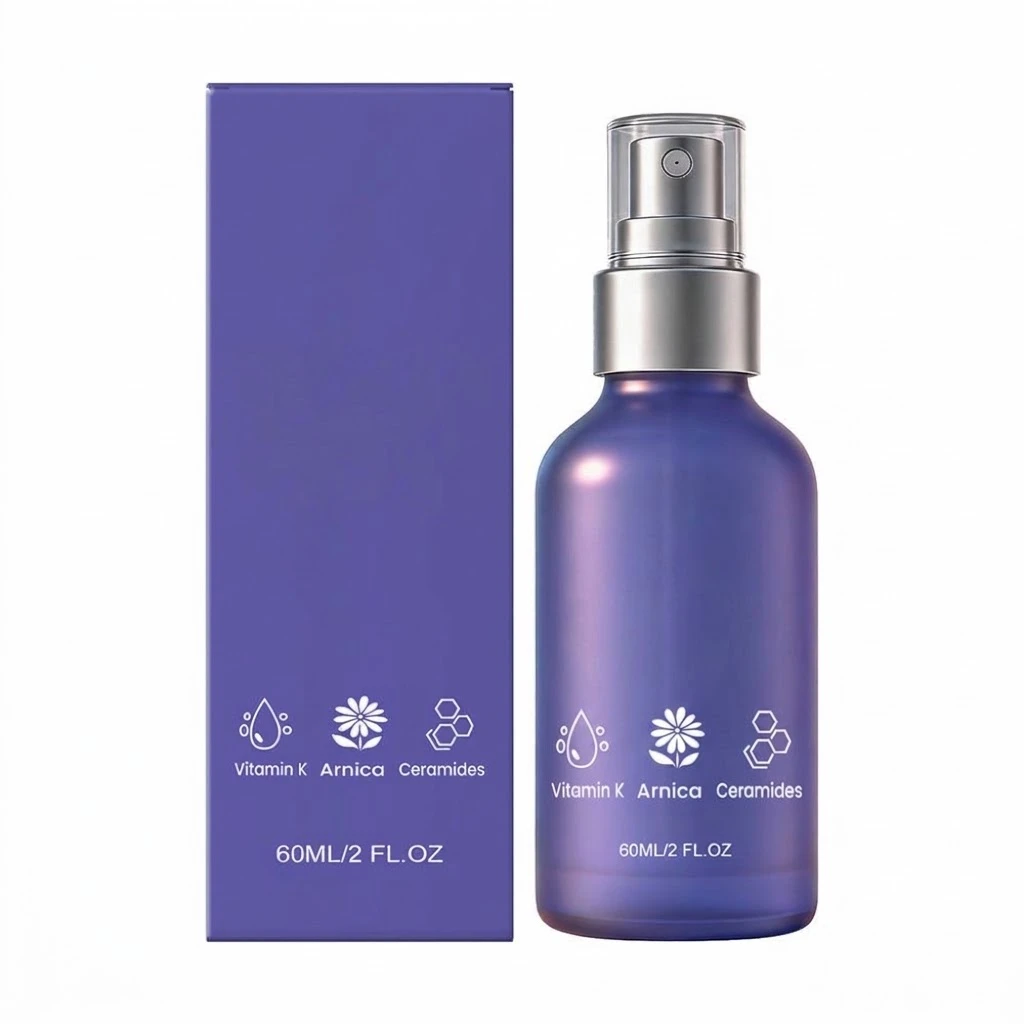

Shipments are almost never held up by the formula. They are held up by paperwork: a missing CPNP notification, an INCI list in the wrong order, a responsible person who was never appointed. The formula passes; the file does not.
Below is the working checklist we use when preparing a serum for export. Requirements change, so treat this as a starting point for a conversation with your regulatory partner — not as legal advice.
European Union
- Responsible Person (RP). A legal or natural person established in the EU must be designated before placing on the market. No RP, no legal sale — this is the single most common cause of a stalled EU launch.
- CPNP notification. The product must be notified through the Cosmetic Products Notification Portal before it goes on sale.
- Product Information File (PIF). Must be kept and made available to authorities. Contains the safety assessment, the quantitative formula, manufacturing method, proof of effect, and the responsible person’s details.
- Cosmetic Product Safety Report (CPSR). Signed by a qualified safety assessor. This is usually the longest lead-time item — plan for it early.
- Label requirements. INCI list in descending order above 1%, nominal content, function of the product, manufacturer and RP address, batch code, period-after-opening symbol, and any required warnings.
- Restricted substances. Annexes to Regulation 1223/2009 change regularly. Verify current limits for your actives — particularly preservatives and UV filters.
United Kingdom
Post-Brexit, the UK runs a separate regime that closely mirrors the EU but is not the same. You need a UK responsible person, a separate notification to the UK submission portal, and a UK-specific label. EU CPNP notification does not cover Great Britain.
United States
- MoCRA. The Modernization of Cosmetics Regulation Act introduced facility registration, product listing and serious adverse event reporting requirements. Facilities must be registered and products listed with the FDA.
- Responsible person. A “responsible person” must be identified on the label — the manufacturer, packer or distributor.
- Label format. FDA labeling uses a different declaration format from INCI, including specific requirements for color additives and warning statements.
- Claim sensitivity. Terms like “treats”, “cures” or “repairs” can move a cosmetic into drug territory. This is the most common compliance mistake we see from brands entering the US.
ASEAN
ASEAN operates a common cosmetic directive with national notification. In practice each country has its own portal, its own local agent requirement and its own timeline:
- Product notification in each target country, usually filed by a local license holder.
- Company license held by a local entity in several markets.
- Halal certification — not legally required everywhere, but commercially important in Indonesia and Malaysia.
Lead times vary from roughly four weeks to several months depending on the country. Start the notification process before production finishes, not after.
Documents you should ask your OEM for
- Certificate of Analysis per batch
- Free Sale Certificate (where the market requires it)
- Manufacturing license and GMP certificate (ISO 22716 / GMPC)
- Full quantitative formula, released under NDA, for your safety assessor
- Stability report and preservative efficacy test report
- MSDS / SDS for transport and customs
- Heavy metal and microbial test reports per batch
- REACH / RoHS statements where the packaging or market requires them
Timing tip: the CPSR and the notification are the two items that routinely take longer than production. If your launch date is fixed, start regulatory work at the same time as sampling — not at the same time as shipping.
Who is responsible for what
This varies by supplier, so get it in writing. Our position: the brand owner appoints the responsible person and holds the notification, because they own the market. We supply everything the filing needs — the full formula under NDA, the safety-relevant test reports, and the manufacturing documentation. Some factories will handle notification for you; be clear about who holds the license if you later change supplier.