
Active & level
Ethyl ascorbic acid for fast, potent brightening; SAP for acne-prone positioning; MAP for the most tolerable, lowest-irritation claim. 5% to 20% depending on your market’s tolerance for tingling.
A vitamin C serum that still looks and smells right on month 12. We use stabilized derivatives, fill under nitrogen and match the packaging to the oxidative risk — because an orange serum is a refund, not a product.
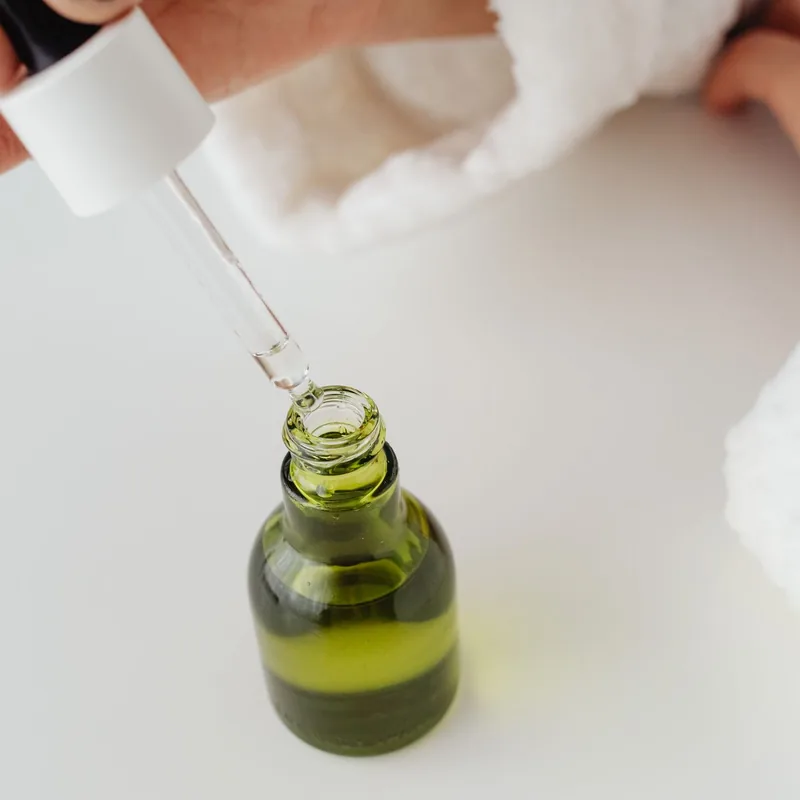
Standard configuration below. Every line item is adjustable — this is a starting point, not a fixed recipe.
| Product type | Facial serum, leave-on, daily use |
|---|---|
| Key actives | Ethyl ascorbic acid 10–20%, or SAP / MAP 5–15% · ferulic acid 0.5% · tocopherol 1% |
| Format | Aqueous gel-serum (water-light) or anhydrous silicone-free fluid (silky, premium feel) |
| pH | 3.5 – 4.5, derivative dependent |
| Viscosity | 800 – 3,000 cps (Brookfield, 25°C) — specified to your dropper or pump |
| Appearance / odor | Clear to very slightly opalescent; odor-free or lightly fragranced |
| Packaging options | 15 / 30 / 50 ml amber or frosted glass dropper, airless pump, ampoule |
| Shelf life | 24 months unopened, 6–12 months PAO |
| MOQ | Flexible / Customizable — from 1,000 pcs in stock packaging |
| Lead time | Samples 7–10 days · production 25–30 days after approval |
| Documentation | COA, MSDS, PIF, stability report, CPSR & MoCRA support |
Ethyl ascorbic acid for fast, potent brightening; SAP for acne-prone positioning; MAP for the most tolerable, lowest-irritation claim. 5% to 20% depending on your market’s tolerance for tingling.
Water-light for layering routines and hot climates. Anhydrous for a premium, cushiony skin feel and better stability where water activity is the enemy.
Ferulic acid + vitamin E for the classic antioxidant network, glutathione or alpha arbutin for tone, panthenol and centella for sensitive-skin positioning.
Fragrance-free, alcohol-free, silicone-free, vegan, cruelty-free, pregnancy-safe positioning. We tell you which claims your target regulator will accept.
Discoloration, odor change and viscosity drift are the three complaints that end a serum line. We control all three at the process level, not with a claim on the carton.
L-ascorbic acid works, but it needs pH below 3.5, it stings, and it browns quickly — a hard combination for a first launch. Derivatives such as ethyl ascorbic acid give you a stable, tolerable product that converts and survives shipping to hot climates. If your brand story demands pure L-AA, we can do it, but we’ll show you the stability data first.
“Brightening” and “radiance” are cosmetic claims and are generally acceptable in both markets when supported by your product information file. Claims that imply treating a skin condition are not. We supply the ingredient data and study references your safety assessor needs, and flag any claim wording we think will be challenged.
Amber glass dropper for cost and the classic look, provided the formula is stabilized and nitrogen-filled. Airless pump if you want a 24-month shelf life or you’re selling into hot, humid markets. We run the compatibility test on your chosen component before production.
The questions that hold a first order back — answered plainly, including the ones most factories avoid.
That is the failure mode for this category, and it is controllable rather than inevitable. We work on four levers: pH window, an antioxidant network (ferulic and tocopherol) rather than vitamin C alone, water activity, and package headspace — amber glass plus nitrogen flushing for a dropper, or an airless pump if you are selling into hot, humid markets. You get the accelerated stability data (45 °C, 75% RH, 12 weeks) and the real-time data before you commit, not after.
24 months unopened is achievable on the stabilized derivative systems and on encapsulated L-ascorbic acid; it is not realistic on a plain L-AA formula at high percentage, and we will tell you that rather than print a date we cannot support. We run real-time stability alongside the accelerated study, so the date on your pack is backed by data at the temperature you actually ship to. Need a specific shelf-life target? Give us the market and the storage conditions and we will confirm what is achievable.
For a stocked formula in a standard component, 1,000 pcs per SKU. A custom formula or a custom component starts at 3,000 pcs — the component supplier carries its own MOQ and the line has to be stripped and validated between runs, so short runs cost us more than they cost you. If you are testing a market, say so: we would rather book a first run into a shared filling slot than lose the project. Tell us the volume you are working with and we will confirm the lowest workable MOQ.
Two routes. A sample set of existing formulas goes out at cost, and the fee is deducted from your first bulk order. Or we develop to your brief: you approve a lab sample, then a pre-production sample made on the actual filling line, and only then do we book the run. You see what the line produces before you pay for the run. Ready to evaluate? Request a sample set and we will send the current set with the spec sheets.
Your approved sample becomes the reference standard. We keep sealed retains from that batch, the production batch is checked against it for color, odor, viscosity and pH, and every batch ships with a COA listing the results. If bulk deviates from the approved sample on any of those parameters, we remake it or credit it — that is written into the contract, not just said on a call. Ask for the sample-to-bulk comparison sheet and we will attach it to your quote.
The base formula is ours and stays shared. Everything you build on top of it — active combination and percentage, texture, fragrance, color — is yours: 24 months of exclusivity in the markets we agree in writing, and we will not sell that combination to anyone else in those markets. You can extend the term, buy the formula outright, or take the full documentation to another factory if you ever move production. Need exclusivity in a specific country? Tell us the market and we will put the term in the contract.
Yes — and we would rather see your market list before quoting than discover a missing document after production. Standard set: COA, MSDS, stability and compatibility data, microbiological and heavy-metal testing, plus the ingredient data your safety assessor needs. Market-specific: EU CPNP notification support, UK UKCPR, US MoCRA facility registration and product listing, and ASEAN notification for the specific country you sell in. Selling into more than one market? Send us the list and we will map the documents to each one before you commit.
25–35 days after sample approval for a stocked formula in a standard component; add 10–15 days if the component is custom or needs a new mould. You get a written milestone schedule — formulation, component arrival, filling, testing, release — with a photo update each week. If we miss a milestone for reasons on our side, we cover the difference to air-freight the balance so your launch date still holds. Have a fixed launch date? Share it with us and we will build the schedule backwards from it.
Every quote is itemised: formula and filling, component, secondary packaging, testing, documentation. Only two things move after quoting — component price (we re-quote only if resin or glass moves more than 5%) and artwork changes made after plates are cut. Mould and plate fees are one-off and stated up front; nothing is added at the end. Want the line-by-line breakdown before you commit? Request an itemised quote.
30% deposit to book the production slot, 70% against the bill of lading copy. T/T by default; L/C at sight or a platform-held payment for a first order if that suits your procurement rules better. Returning customers move to 30-day terms after three clean shipments.
Send us the batch number, photos, and — if you can — a third-party test within 30 days of arrival. Where the fault is ours we replace the goods or credit you, and we will tell you plainly what our own checks missed. We will not ask you to dispose of stock before we have seen the evidence.
Tell us the retail price you need to hit and the market you sell in. We’ll come back with a formula, a component and a unit price within 48 hours.
Every formula below is a working starting point, not a fixed recipe. Adjust the actives, the texture, the fragrance-free claim and the packaging — we re-work it until it sells in your market.
 Anti-aging
0.25–1.0% · encapsulated retinol / HPR
Time-release encapsulated retinol for tolerability, or next-gen HPR for fast results without the flaking. Buffered with ceramides.
 Pore & oil
5–10% · niacinamide + zinc PCA
High-purity, low-niacin flushing grades. Pairs with azelaic acid or alpha arbutin for tone and texture claims.
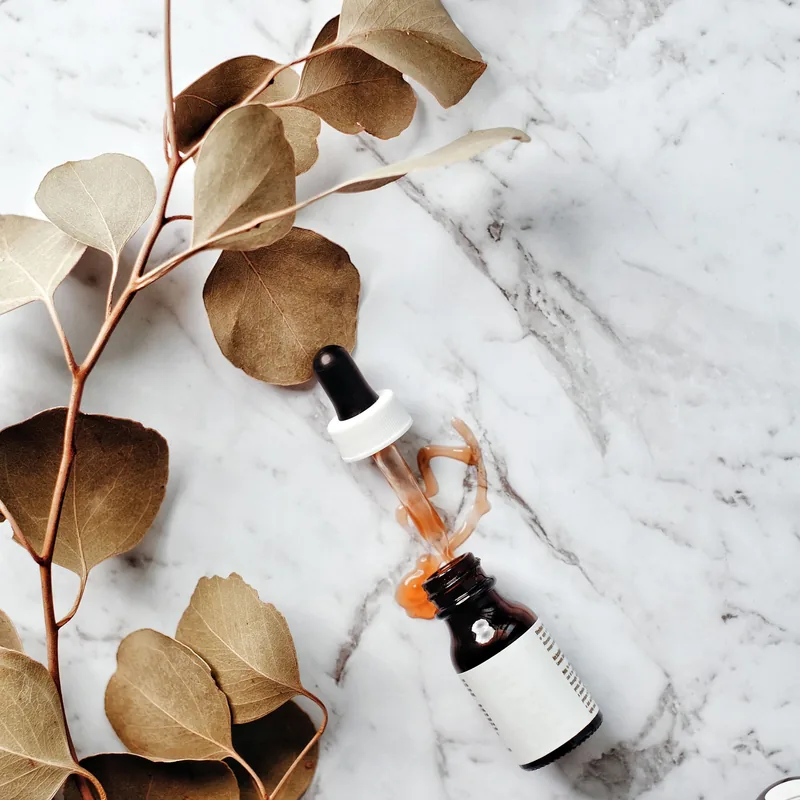 Hydration
1–2% · 4-molecular-weight HA complex
Multi-weight HA from 8 kDa to 1.6 MDa for surface and deep hydration, with panthenol and beta-glucan for barrier support.
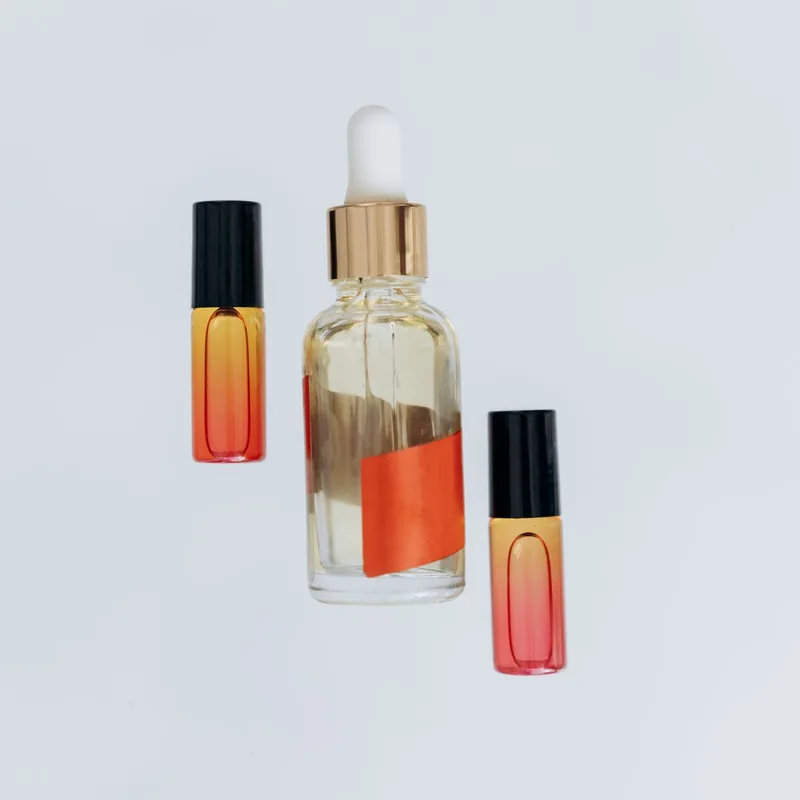 Firming
3–8% · signal, copper & neuropeptides
Matrixyl 3000, copper tripeptide-1 or acetyl hexapeptide-8 systems. Cold-process filling protects peptide integrity.
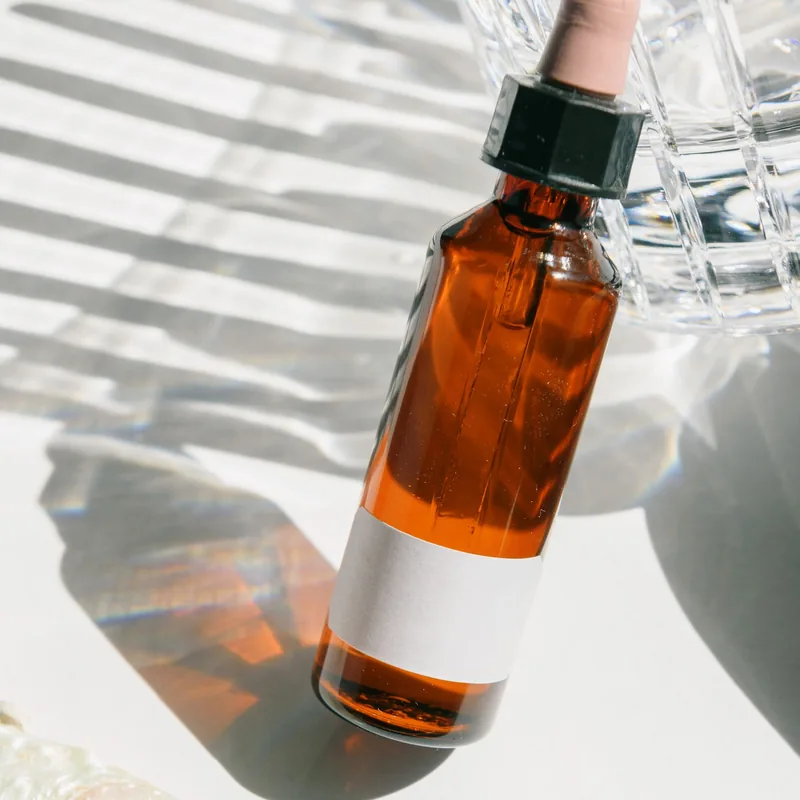 Tone correction
2–5% · TXA + alpha arbutin
A hydroquinone-free brightening system for melasma and post-inflammatory marks. Stable across pH 5–6.5.