“MOQ 5,000 pieces” with no explanation is a red flag, but “MOQ 1,000 pieces” with no explanation is not automatically better. A minimum order quantity is an arithmetic result, not a policy. Understanding the arithmetic is what lets you negotiate it.
Where the number actually comes from
Four cost blocks do not scale down gracefully. Below a certain batch size, each one costs more per unit than the product is worth.
1. Line set-up and changeover
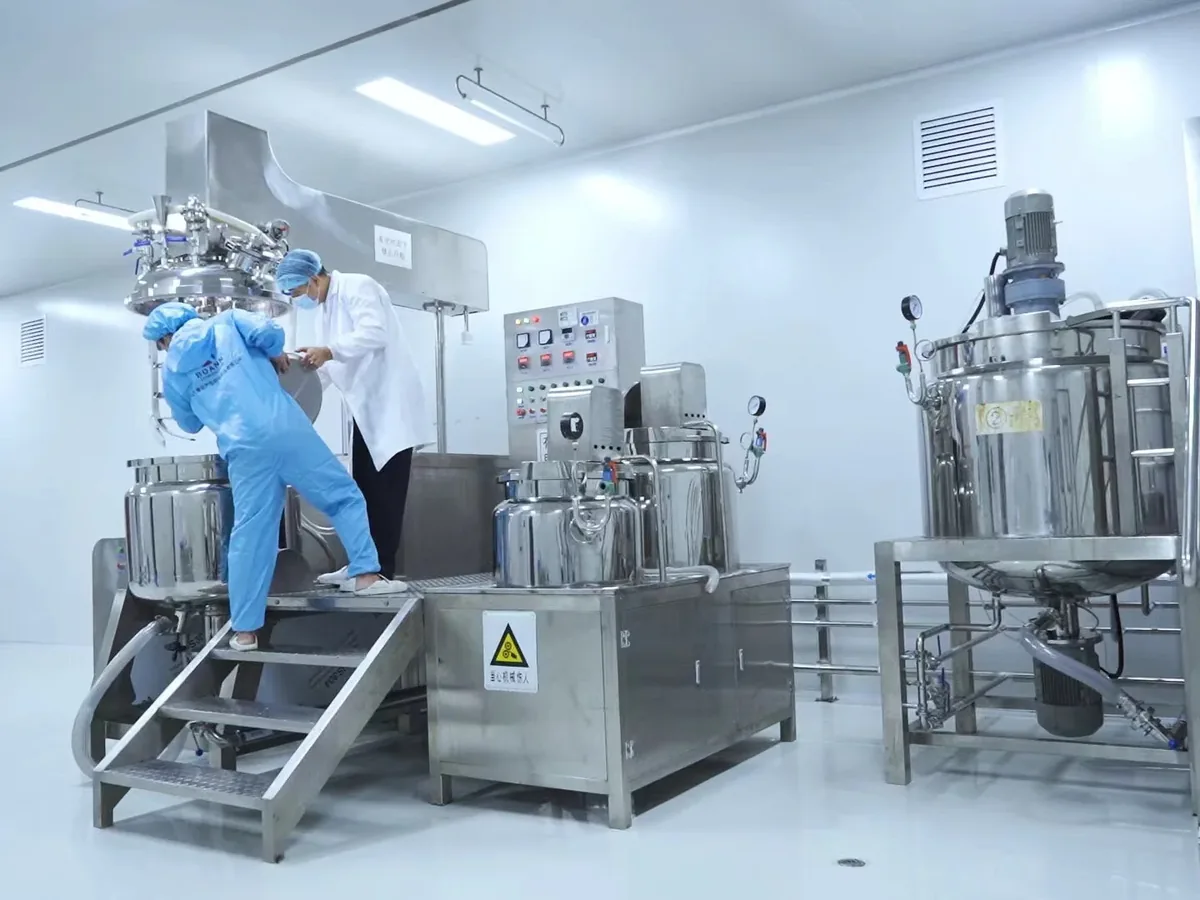
A filling line has to be stripped, cleaned, sanitised and re-validated between runs. On a serum line that is typically two to four hours of labour plus the cleaning agents and the water-for-injection used in the rinse. Whether you then fill 500 units or 50,000, that cost is identical. At 500 units it might represent ¥4 per bottle; at 50,000 it is ¥0.04.
2. Raw material purchase minimums
You rarely buy the exact grams a small batch needs. Actives arrive in 1 kg or 5 kg drums, and a 0.5% inclusion of a peptide in a 30 ml serum means a 1 kg drum covers well over 60,000 units. For a 1,000-unit run, you are paying for material you will not use in this order — which is why small runs carry a material surcharge even when the formula itself is cheap.
This is also why stock formulas have lower MOQs than custom ones: the material is already in the warehouse being used across multiple orders.
3. Batch losses and first-piece waste
Every batch loses volume to the pipes, the tank walls and the filling nozzles. On a small line that is a fixed few kilograms — a large percentage of a 100 kg batch and a rounding error on a 2,000 kg batch.
4. QC release testing
Each batch needs micro testing, and typically a fill-weight check, pH and viscosity confirmation, plus appearance and packaging inspection. The lab work is the same regardless of batch size. Preservative efficacy testing (PET) is usually performed on the formula rather than the batch, but if your market requires it per batch, that cost is fixed too.
What this means in practice
For a standard 30 ml serum in a stock bottle with screen-printed artwork, the economics usually work out roughly like this:
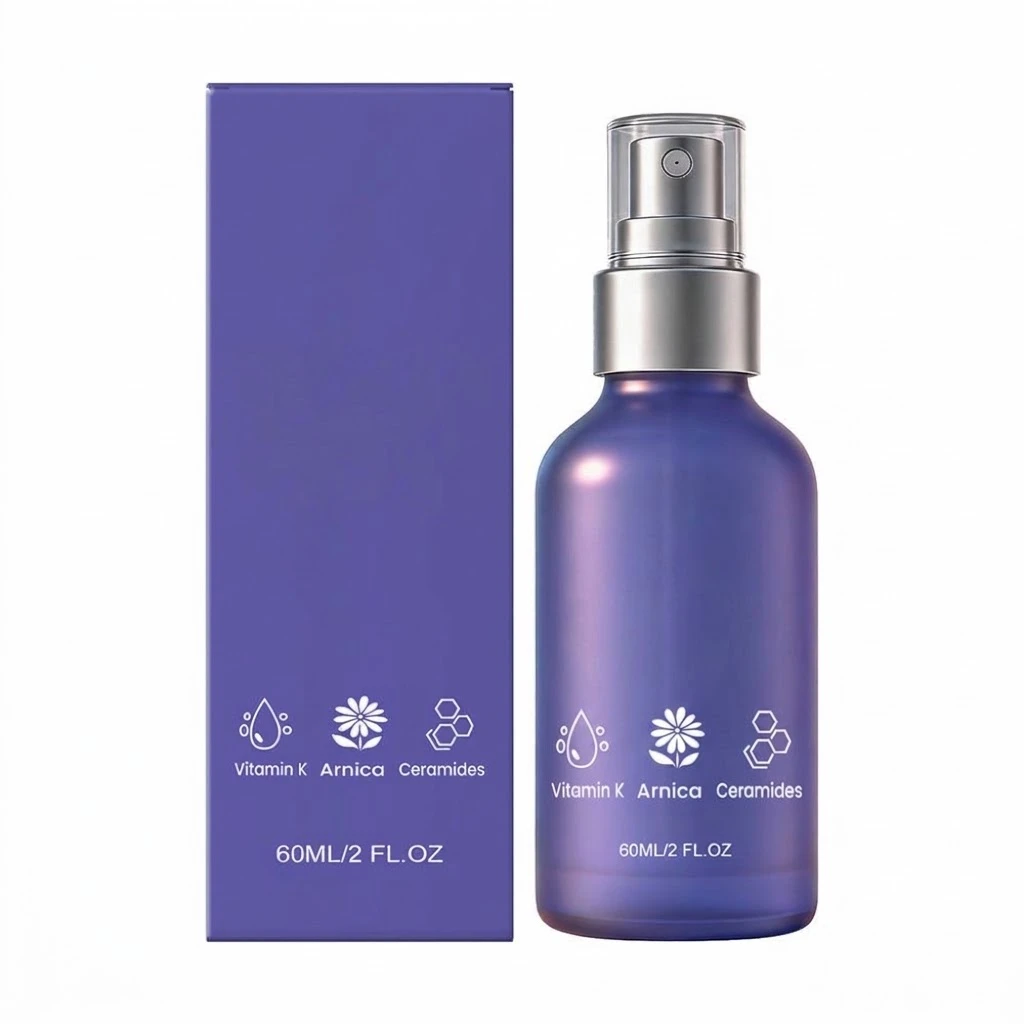
- 500–1,000 pcs: workable with stock packaging. Unit cost is noticeably higher because set-up and QC are spread thin. Good for a market test.
- 1,000–3,000 pcs: the usual first production run. Custom artwork on stock bottles becomes viable.
- 5,000+ pcs: custom moulds and specialty closures start to make sense, because tooling can be amortised.
Worth knowing: MOQ is usually set per SKU, not per order. If you are launching three serums, ask whether the factory will treat them as one combined run — many will, if they share a base and a bottle.
How to negotiate a lower MOQ
Four things genuinely move the number, and none of them are “can you do better”:
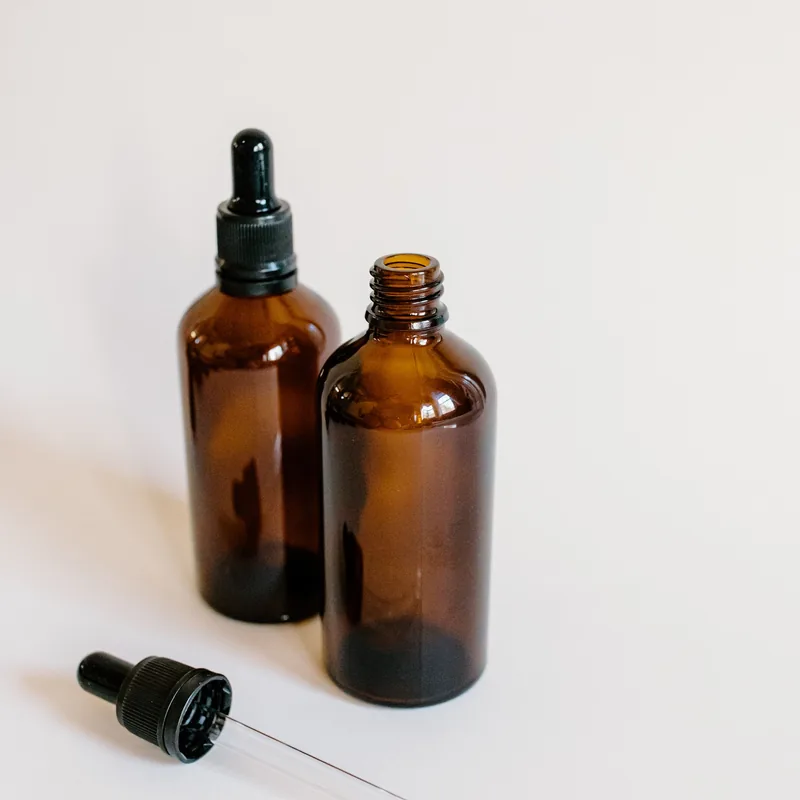
- Use stock packaging. Custom bottles carry their own tooling and printing minimums, often 5,000–10,000 units. Stock bottles with a printed label remove that constraint entirely.
- Start from a stock formula. No new raw material purchases, no new stability program, no new PET.
- Flex on packaging finish. Hot stamping, metallisation and soft-touch coatings all have their own minimums. A single-color silkscreen does not.
- Commit to a repeat. If you can show a realistic second order within six months, most factories will absorb some first-run set-up cost.
The question you should actually ask
Not “what is your MOQ” but “what is included at your MOQ”. Specifically: is artwork included, is the first mould included, is PET included, and does the quoted unit price assume the full minimum or a smaller quantity? A 1,000-piece MOQ with tooling billed separately can cost more than a 3,000-piece MOQ with tooling included.